- Details
With the leaves gone, you can clearly identify: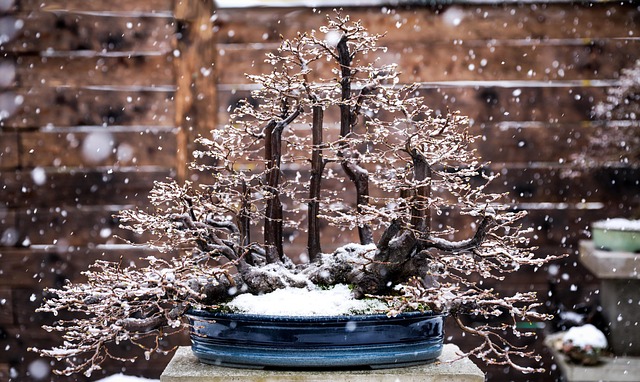
- crossing branches
- inward-growing or overly vertical shoots
- branches that sit too close together
Take a moment to visualize the shape you want to achieve.
- Details
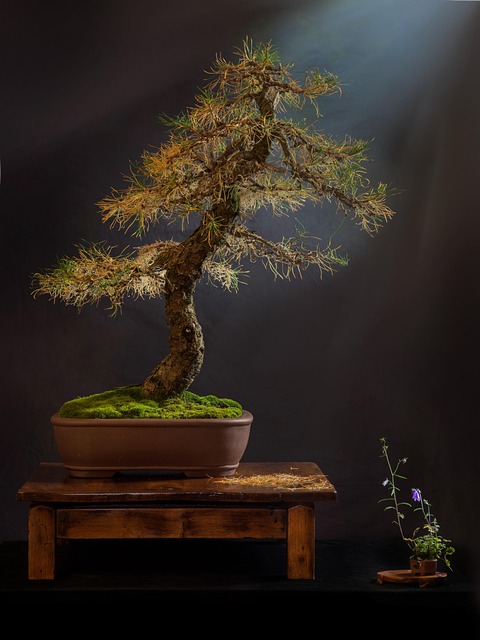 When growth slows, water absorption also decreases. Only water when the top layer of soil feels slightly dry. Too much moisture in autumn can lead to root rot, especially at lower temperatures. Check your tree regularly — wind and sunlight can still dry out the pot faster than expected.
- Details
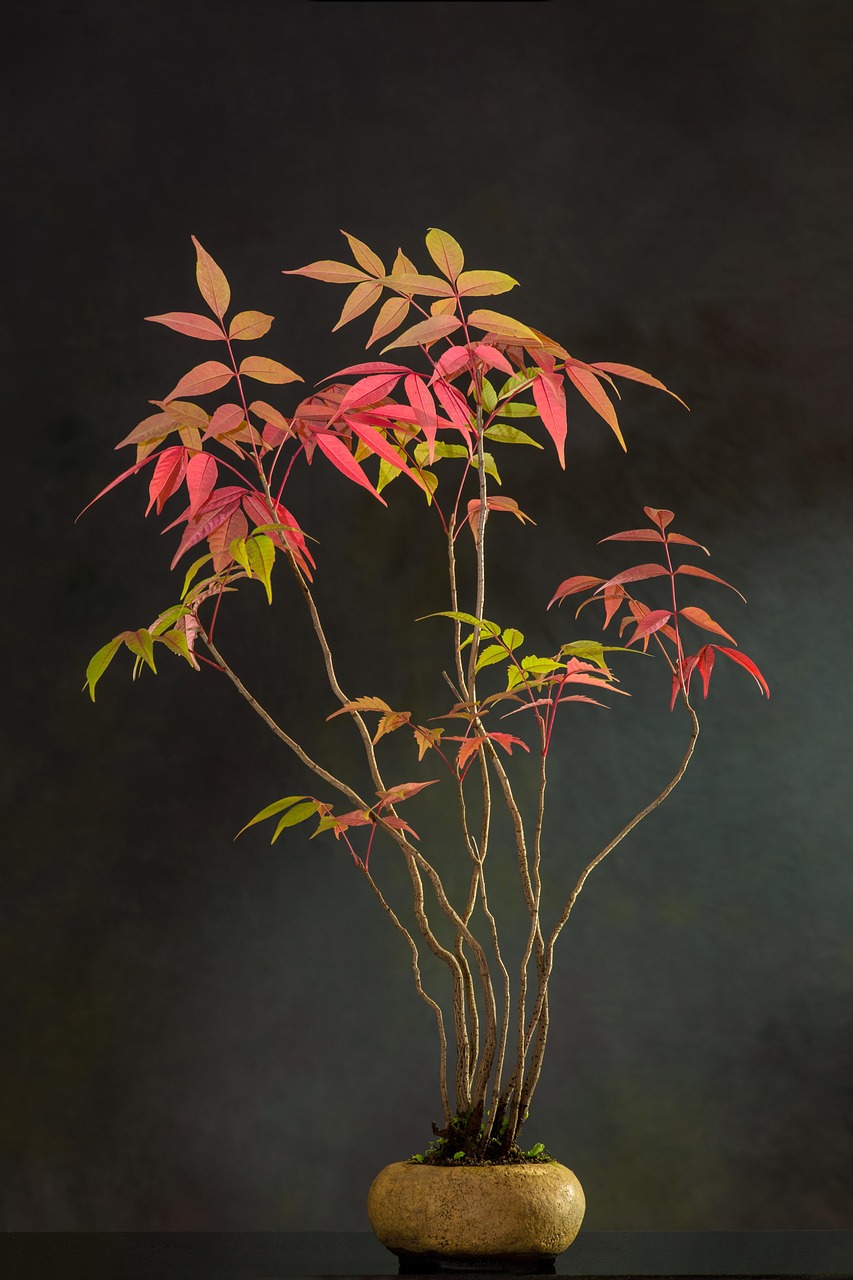
Autumn is the perfect time to plan ahead:
- Shelter: place sensitive bonsai in a protected spot, away from strong wind.
- Frost tolerance: maples can handle light to moderate frost; protection is only needed during prolonged, severe frost or in very small pots.
- Pot check: small pots freeze faster; extra protection with bubble wrap or a cold frame helps.
- Details
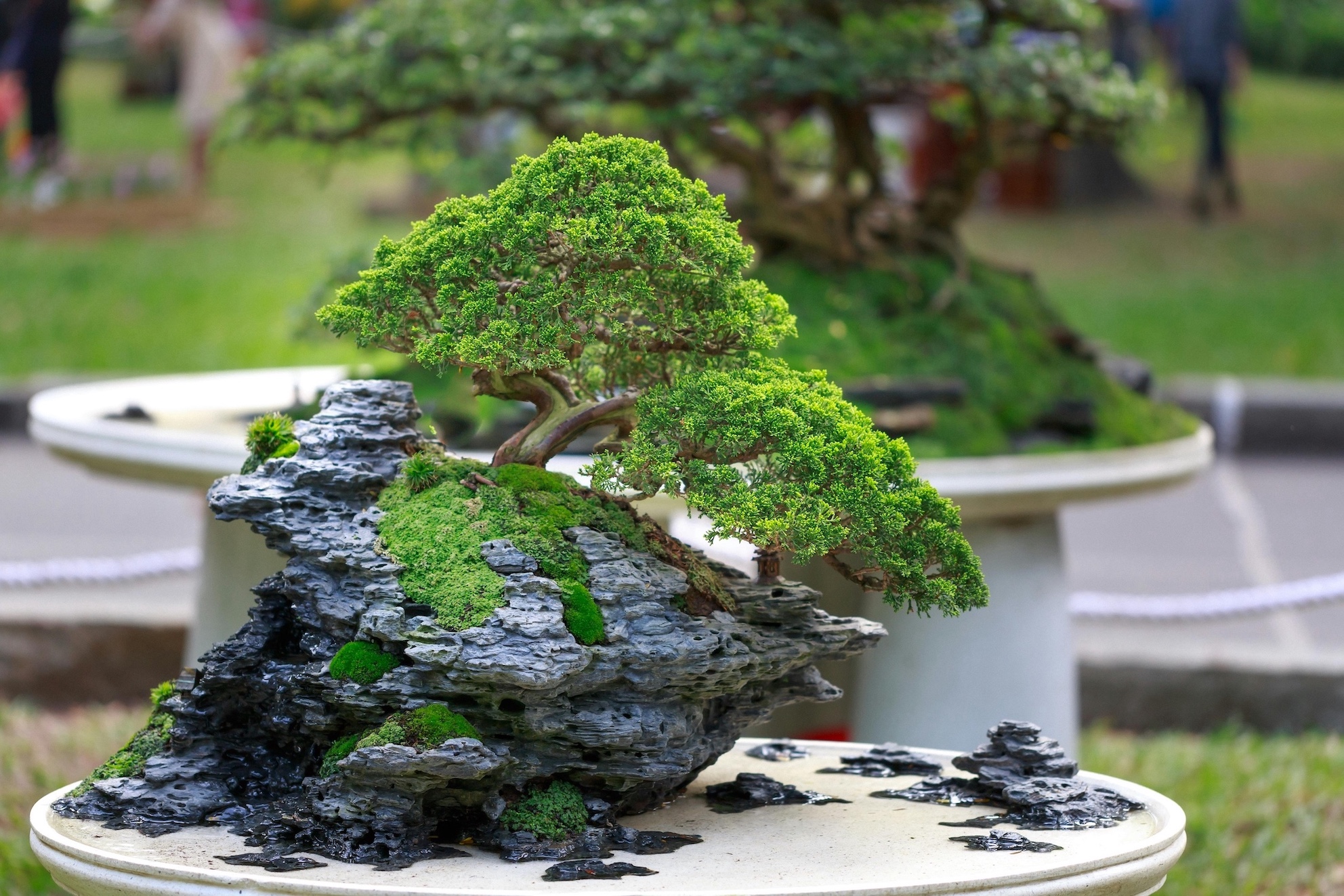 Conifers on top of the stone give a minimalistic, powerful, and aged impression.
Deciduous trees from below appear natural, graceful, and integrated with their environment.
You can also combine them. Think of a Japanese black pine on top of a rock and a maple winding upward from the base of the same stone. This creates a living miniature landscape full of contrast.
- Details
So What We Call “Indoor Bonsai”...
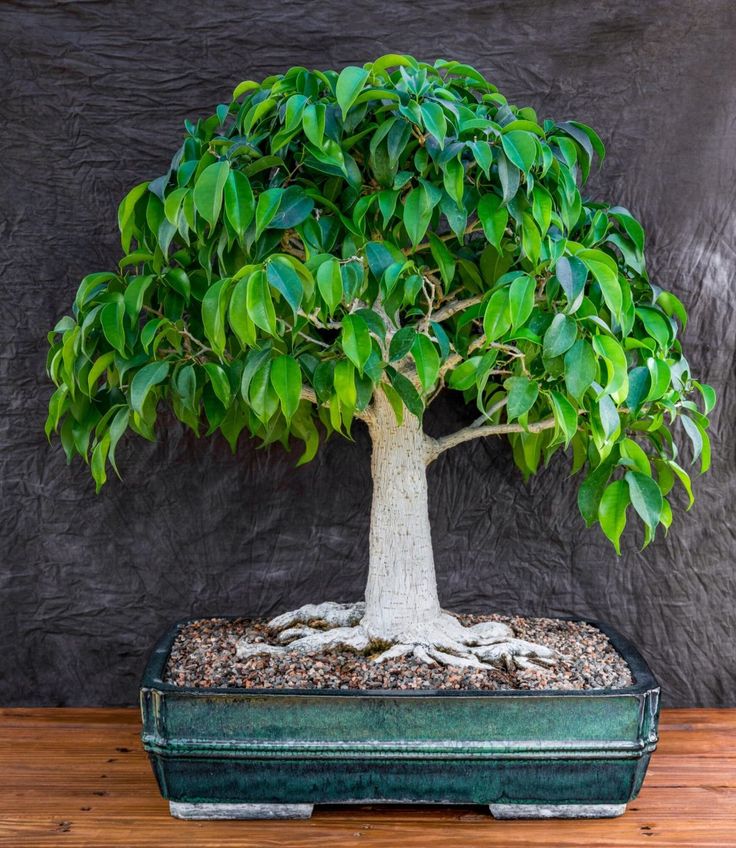
…are actually tropical or subtropical trees that wouldn’t survive our winters. Think of species like:
- Ficus (retusa, ginseng, microcarpa)
- Schefflera arboricola
- Portulacaria afra (elephant bush)
- Carmona microphylla (Fukien Tea)
- Serissa foetida (“Tree of a Thousand Stars”)
- Sageretia theezans
These species come from warm climates. They aren’t frost-hardy, so we keep them indoors—in a warm, bright space, protected from the cold. Not because they truly belong inside, but because it’s the only way to keep them alive in our environment.
- Details
From Penjing to Bonsai
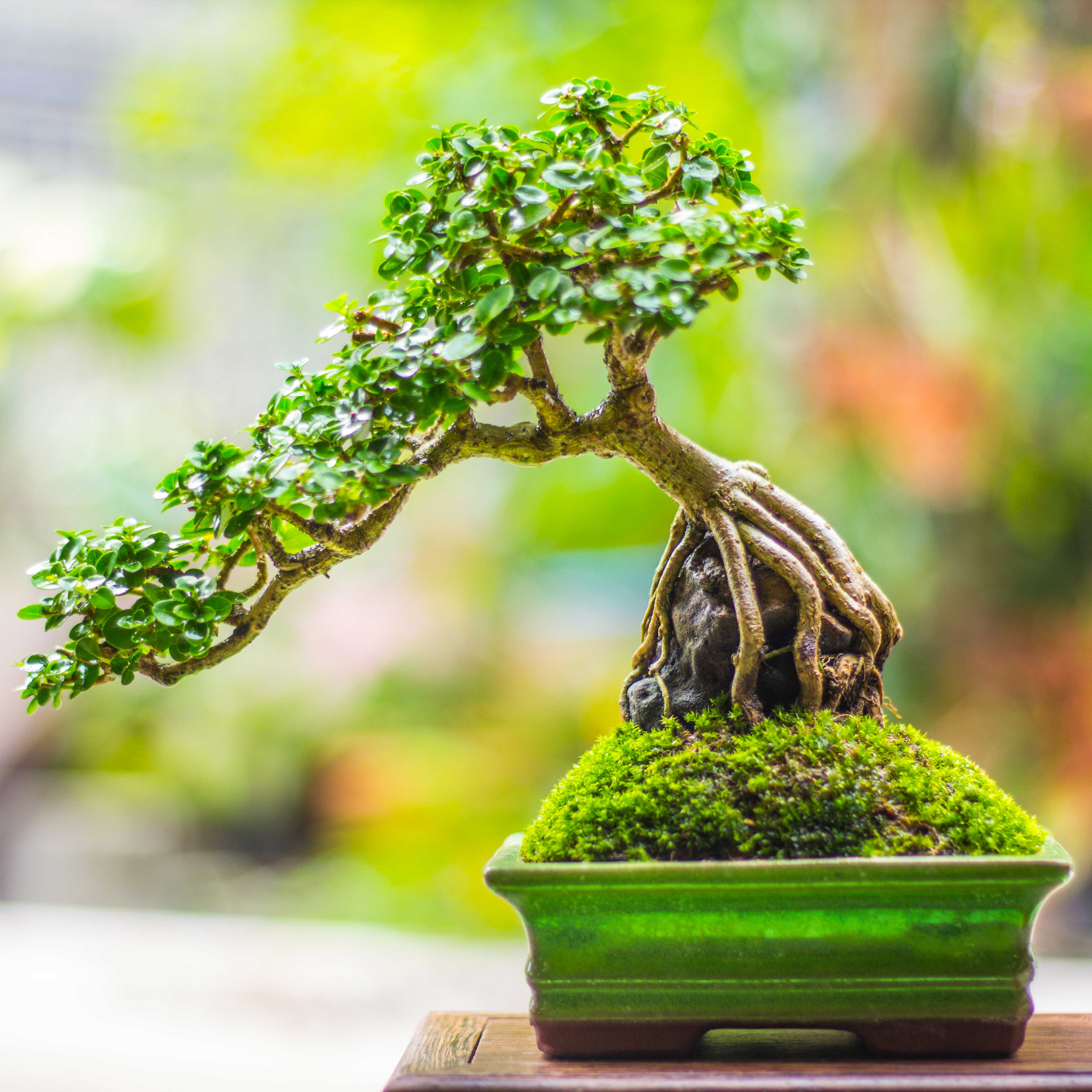
The roots of bonsai lie in ancient China, around the year 700. There, the art of penjing emerged — miniature landscapes made of trees, rocks, and mosses, capturing the essence of nature in a small space.
- Penjing means “landscape in a tray”
- The focus was on expressing the vastness of nature in miniature
- It was often linked to spiritual or philosophical ideas
Through Buddhist monks, this art form eventually reached Japan, where it evolved into bonsai — simpler, more serene, and focused entirely on the tree itself.